


Solar Tracker in Europe: Applications, Benefits & Key Use Cases
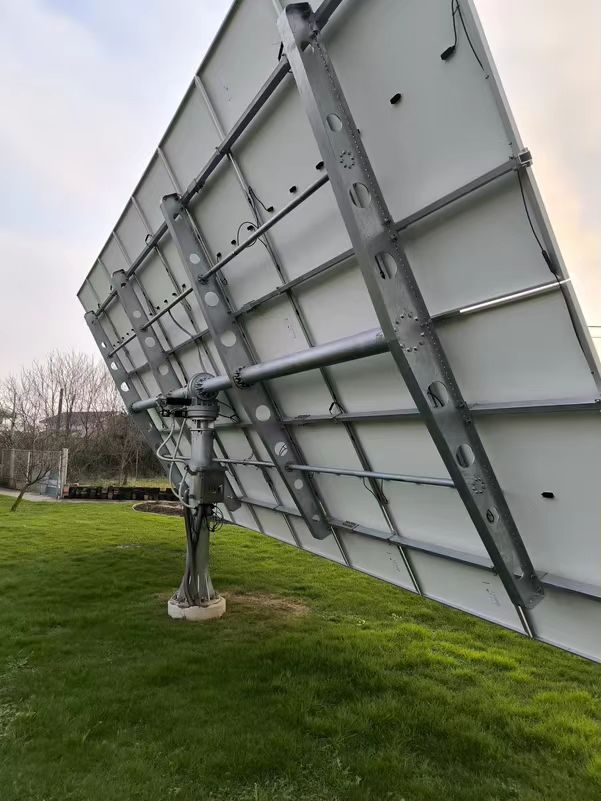
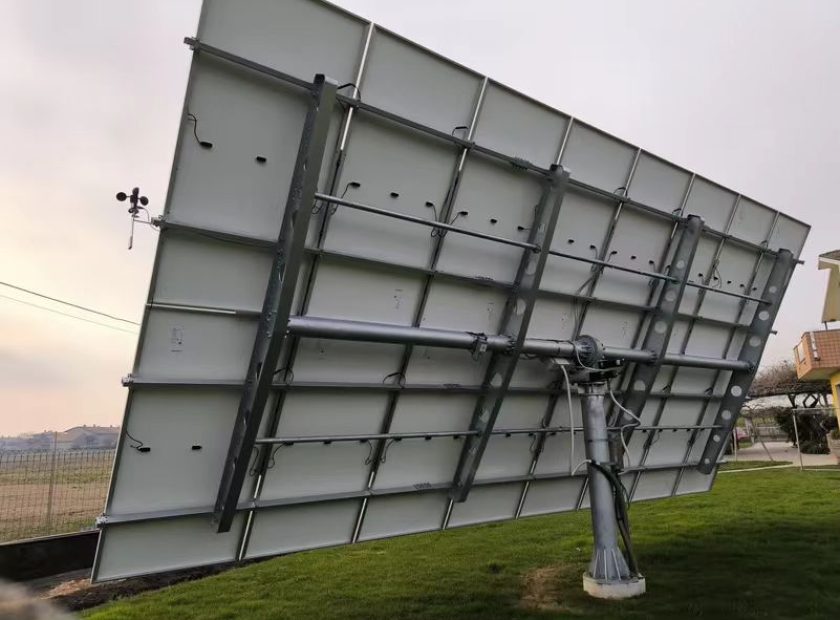
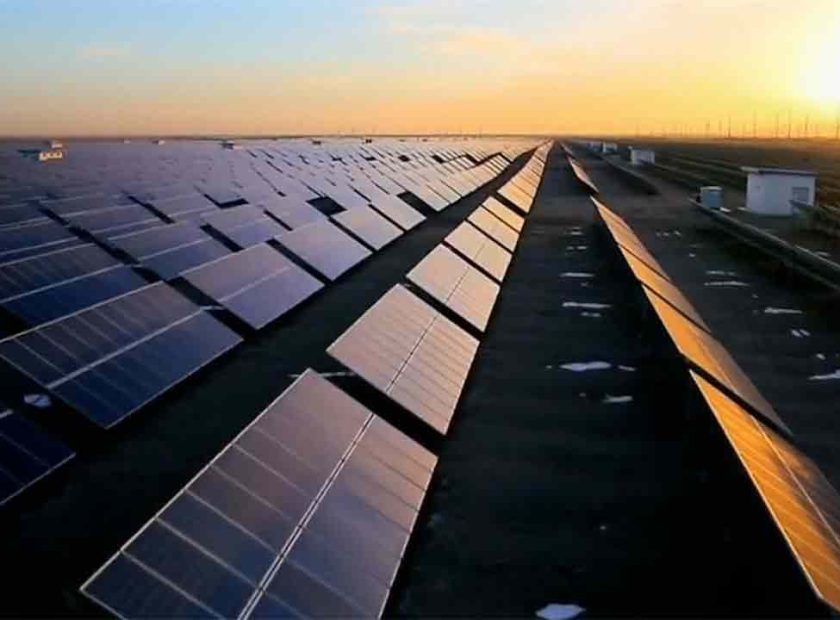
Europe’s commitment to renewable energy has never been stronger, with the REPowerEU plan targeting 45% renewable energy share by 2030 . Among the technologies driving this transition, the solar tracker stands out as a game-changer, boosting the efficiency of photovoltaic (PV) systems across diverse European landscapes. From large-scale solar farms in Spain to agri-PV projects in Germany and even residential gardens in France, solar trackers are reshaping how Europe harnesses solar energy. This guide explores the critical role of solar trackers in Europe, their unmatched benefits, and real-world applications in power plants, farms, and home gardens.
Why Solar Trackers Are Gaining Traction in Europe
Europe’s unique geography—spanning high-latitude regions like Scandinavia to sun-drenched Mediterranean countries—demands flexible solar solutions. Solar trackers address this diversity by dynamically adjusting PV panel angles to follow the sun’s path, a capability that fixed systems simply can’t match. Compounding this demand are strict EU policies: countries like Spain and Italy now mandate tracking technology in new PV projects , while Germany and France offer subsidies for solar tracker installations under their national renewable energy schemes. Additionally, the EU Emissions Trading System (EU ETS) has pushed carbon prices above €90 per ton, making the efficiency gains from solar trackers even more financially rewarding for project developers .
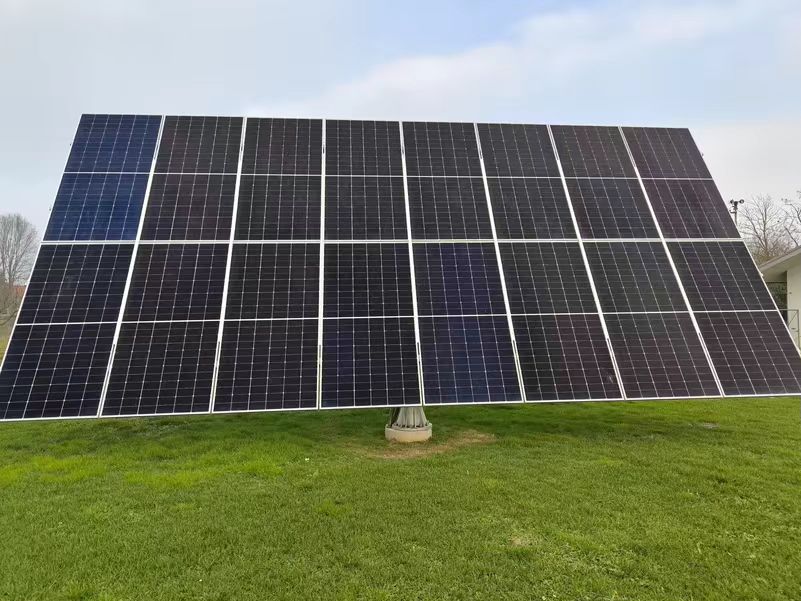
Another key driver is Europe’s limited available land for energy projects. Solar trackers maximize energy output per square meter, making them ideal for densely populated regions where space is at a premium. For instance, single-axis solar trackers deliver at least 20% more energy than optimally installed fixed systems, while dual-axis models can boost yields by 60% to 146% compared to vertical installations—critical for meeting Europe’s ambitious clean energy goals .
Investing in a solar tracker offers tangible advantages tailored to Europe’s energy landscape:
– Maximized Energy Yields: Solar trackers maintain a perpendicular angle to sunlight throughout the day, minimizing the angle of incidence and maximizing light absorption. This is especially impactful in high-latitude regions like Sweden or Norway, where sunlight is scarce in winter. Dual-axis trackers, in particular, adapt to seasonal changes in the sun’s altitude, ensuring consistent performance year-round .
– Enhanced Cost Efficiency: While solar trackers require upfront investment, their energy gains reduce the levelized cost of electricity (LCOE). For utility-scale projects, this translates to higher revenue from feed-in tariffs and carbon credits. In agri-PV setups, the dual use of land for agriculture and energy generation creates additional income streams .
– Weather Resilience: Modern solar trackers are engineered for Europe’s harsh weather conditions. Equipped with rain and light sensors, they automatically adjust to safe angles during strong winds or heavy rainfall—critical for Mediterranean regions prone to seasonal storms.
– Policy Compliance & Incentives: Using solar trackers helps projects qualify for EU “Innovation Fund” grants (up to €250 million for AI-integrated trackers) and national subsidies. They also align with the EU’s requirement for efficient renewable energy systems, simplifying permitting processes .