


High-Strength & High-Precision Solar Trackers: Technical Design for Commercial PV Reliability
In commercial photovoltaic (PV) projects, tracker performance is tied directly to long-term project reliability—yet traditional designs fail to meet the technical demands of harsh outdoor environments and high-efficiency energy capture. For utility-scale, coastal, and high-altitude PV installations, trackers require targeted technical optimizations in structural engineering, tracking control algorithms, and commissioning systems to eliminate downtime, reduce irradiance waste, and streamline on-site deployment. This article breaks down the core technical design principles for high-performance commercial PV trackers, and the industry metrics that define successful implementation.
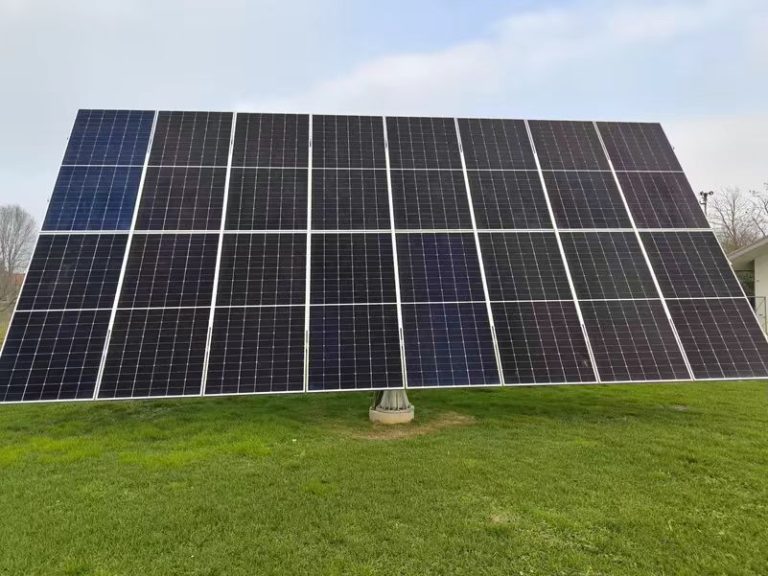
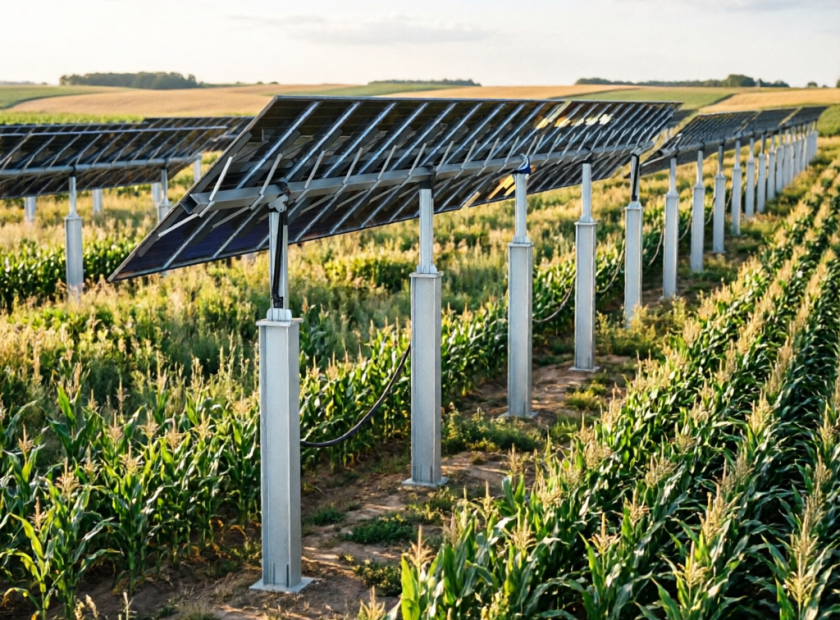
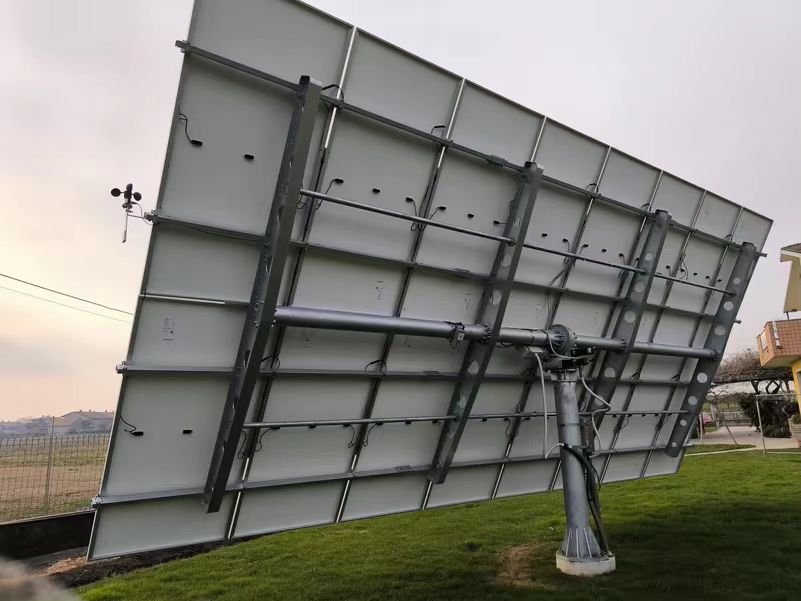
High-strength structural design is the technical foundation of reliable tracker operation, with three non-negotiable technical specifications for commercial use: high-grade steel structural (Q235/345 carbon steel as the industry standard), H-beam support frames for superior load-bearing, and a slewing drive torque rating of 6000+ kN.m to control 21+ panels per unit stably. These designs deliver Grade 12+ wind resistance, critical for coastal and windy regions, while self-lubricating plastic bearings for single axis solar tracker and corrosion-resistant coatings cut maintenance needs by 30%+. For bifacial PV integration, Omega-shaped purlin designs minimize back-panel shading, a technical detail that boosts energy output by an additional 3-5%. Leading technical implementations of this design have proven zero structural damage in 50MW coastal PV projects, with a 40% reduction in maintenance downtime.
Next-generation high-precision tracking controllers calculates the actual angular velocity of horizontal rotation without concerning itself with errors caused by motor rotation and yaw rotation. More importantly, it completely eliminates rotational errors caused by long-term wear of the gears, maintaining a tracking precision of ±0.5° or better, while self-calibrating technology eliminates frequent manual calibration. Even a 1° deviation in tracking can reduce irradiance capture by 4-6%, so this technical precision directly translates to an 8-12% boost in annual energy output for commercial projects. For remote PV sites with limited technical support, this “set-it-and-forget-it” precision is a critical technical advantage, ensuring consistent performance for years without on-site intervention.
Simplified commissioning also relies on technical design: fast-lock clip systems eliminate screw-based assembly, cutting panel installation time to 30 seconds per unit, while calibration method of new tracking controllers need only confirm the right direction of South or North, remove the need for professional technical teams to set operational parameters. This modular technical design streamlines on-site assembly, reducing logistics and labor time by 25% for commercial projects.
When selecting a tracker for commercial PV, developers must prioritize technical metrics over superficial specs: wind resistance rating, tracking precision deviation, and installation/commissioning technical simplicity. Trackers engineered to these technical standards deliver reliable, long-term performance for the harshest commercial PV environments.