


2026年3月24日
Oil Price Volatility: Why Solar Energy Is Critical for Stable Global Energy Supply
Global oil prices have swung wildly in recent years, driven by geopolitical conflicts, OPEC+ production decisions, supply chain disruptions, and shifting global demand. These sudden, extreme price spikes and drops have thrown global energy supply into chaos, driving up costs for households, businesses, and entire economies, while exposing the deep risks of relying on fossil fuels for core energy needs. In this era of relentless oil price uncertainty, solar energy has evolved from a niche renewable option to an indispensable pillar of stable, secure energy supply worldwide. Unlike oil, solar power is immune to volatile commodity markets, offering predictable, long-term energy costs and unbroken supply resilience—making it the most practical solution to counteract the chaos of oil price fluctuations.
The Devastating Impact of Oil Price Turmoil on Global Energy Supply
Oil remains a cornerstone of global energy, powering transportation, manufacturing, electricity generation, and daily household operations across the globe. But its price volatility creates a domino effect of instability: when oil prices surge unexpectedly, governments face rising inflation, businesses absorb steep operational costs, and consumers pay more for fuel, electricity, and basic goods. Even short-term price shocks can disrupt long-term energy planning, force industries to cut production, and leave low-income communities struggling to afford essential energy access.
Worse still, oil supply is tightly linked to political tensions in major oil-producing regions, meaning energy security is constantly at the mercy of global conflicts and policy decisions outside of any single nation’s control. No country or business can reliably forecast oil costs or supply stability, creating a permanent state of uncertainty for energy planning. This fragility is unsustainable for a world that needs consistent, affordable energy to drive economic growth and support daily life—and solar energy offers a clear way out of this cycle.
Solar Energy: A Stable Alternative to Oil-Powered Energy Supply
The biggest advantage of solar energy over oil is its complete independence from commodity markets and geopolitical tensions. Once solar panels are installed, solar power generates electricity with zero ongoing fuel costs, no reliance on overseas oil imports, and no exposure to sudden price hikes. Unlike oil-fired power plants, which face fluctuating operational costs tied to global oil prices, solar energy systems have fixed, predictable long-term costs, with minimal maintenance expenses after the initial investment.
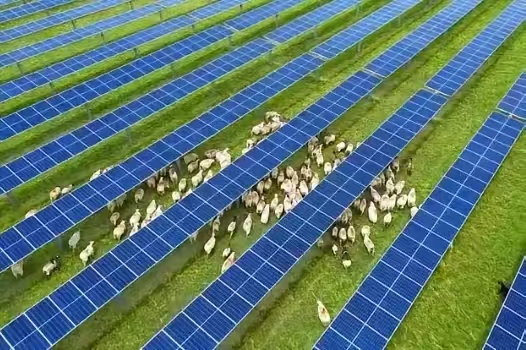
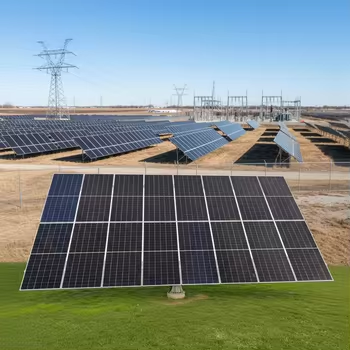
Solar energy also solves the problem of supply interruptions that plague oil-based energy systems. It can be deployed at every scale—from small residential rooftop setups and commercial building installations to massive utility-scale solar farms—creating a distributed energy supply that reduces reliance on centralized, oil-dependent power grids. For remote communities and regions with limited access to oil supply chains, solar power provides a reliable, off-grid energy source that never faces shortages or price gouging. Over the past decade, the cost of solar photovoltaic (PV) technology has dropped by more than 80%, making it one of the cheapest sources of electricity in most parts of the world, even when compared to low oil price periods.
Solar Energy Strengthens Long-Term Energy Security Amid Oil Chaos
Beyond immediate cost stability, solar energy plays a vital role in building long-term energy security for nations and businesses alike. Diversifying energy supplies away from oil reduces a country’s vulnerability to global oil shocks, protects domestic economies from inflation, and creates local jobs in the renewable energy sector. Many governments have accelerated solar adoption in response to recent oil price turmoil, offering tax incentives and grants to expand residential, commercial, and utility-scale solar installations.
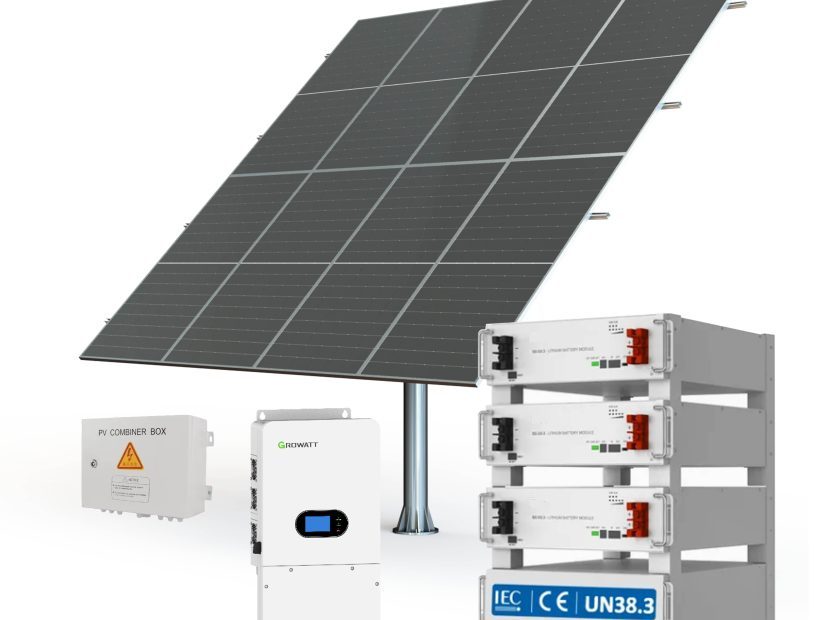
When paired with energy storage systems, solar energy becomes even more powerful, providing 24/7 reliable power that fully replaces oil-fired backup generation during supply gaps. This combination eliminates the need to rely on expensive oil-powered generators during grid outages or peak demand, further insulating users from oil price volatility. For businesses, stable solar energy costs protect profit margins and allow for consistent long-term budgeting; for households, it lowers monthly energy bills and shields against rising utility costs tied to oil prices.
Conclusion
Oil price volatility is not a temporary problem—it is a persistent risk of a fossil fuel-dependent global energy system. As long as the world relies heavily on oil for core energy supply, sudden price swings and supply disruptions will continue to threaten economic stability and energy access. Solar energy offers a proven, scalable, and affordable solution: it is renewable, immune to oil market chaos, and accessible to nearly every corner of the globe. Investing in solar energy is no longer just an environmental choice, but a critical strategy to secure stable, affordable energy supply, protect economies from oil price turmoil, and build a resilient energy future for generations to come.