


Two Main Types of Solar Tracker Controllers Introduction
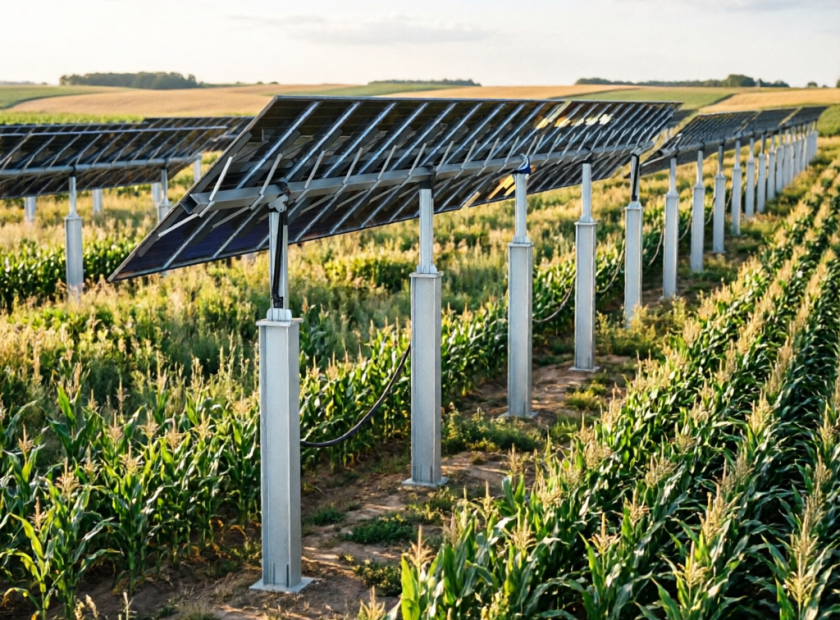
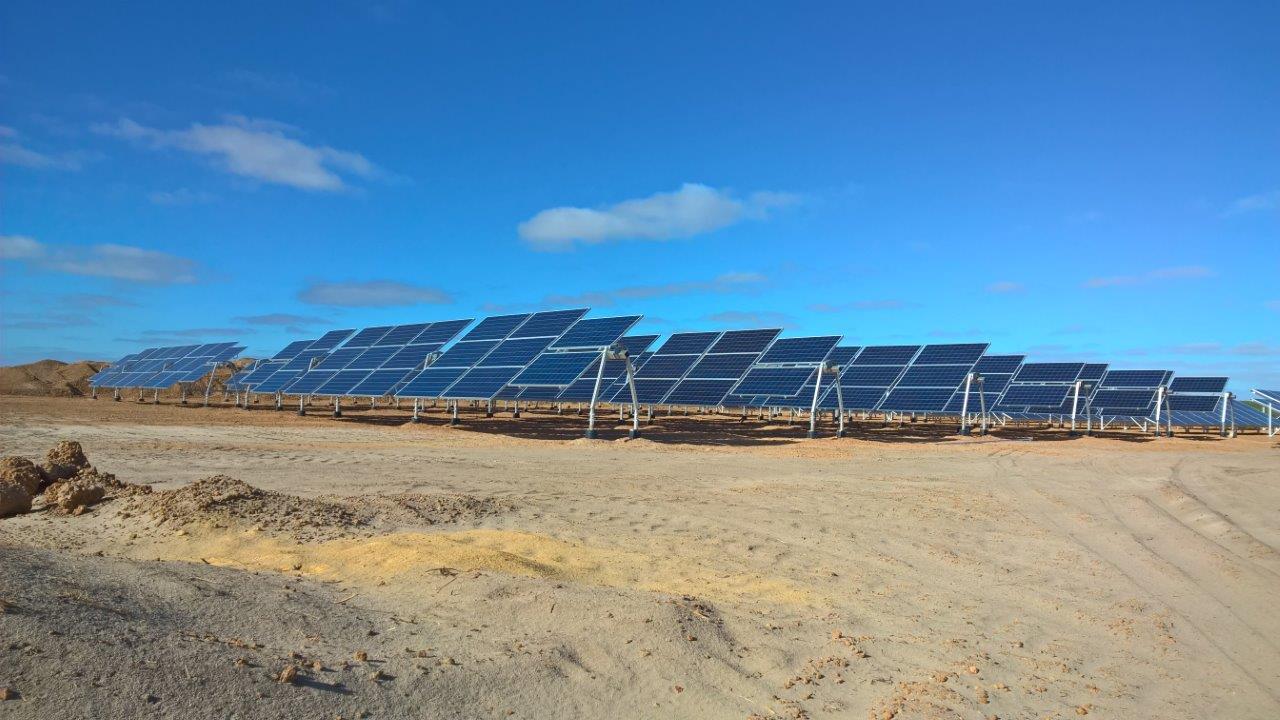
A solar tracker is a vital component of high-efficiency solar power systems, designed to adjust the position and angle of solar panels continuously, so that panels always face the sun directly to maximize sunlight absorption and power generation. At the heart of every functional solar tracker lies its controller — the core component that dictates how the system tracks the sun. Contrary to complex market classifications, there are two primary types of solar tracker controllers dominating the industry, each with distinct working mechanisms, advantages and limitations. Understanding these two categories helps users select the most suitable controller for their solar tracker systems, balancing performance, maintenance and practicality for residential, commercial and utility-scale solar projects.
Type 1: Light Sensor-Based Solar Tracker Controllers
The first mainstream type is the light sensor-driven solar tracker controller, which relies on photoelectric light sensors to detect solar intensity. This controller is equipped with multiple high-sensitivity light sensors placed in different directions, which real-time monitor and compare sunlight strength across various angles. Once the sensors identify a discrepancy in light intensity — meaning the solar panels are not perfectly aligned with the sun — the controller immediately sends signals to the tracker’s motor system, driving the solar panel to adjust its azimuth and tilt angle until the sensors detect balanced, maximum light intensity.
The biggest advantage of this light sensor controller is its ultra-precise tracking angle. Since it adjusts directly based on real-time sunlight distribution, it can achieve near-perfect alignment with the sun on bright days, delivering optimal power output for the solar tracker. However, this type of controller comes with two notable drawbacks. First, it requires regular cleaning and scheduled maintenance: light sensors are highly sensitive to dust, dirt, leaves or other debris. If the sensor surface is blocked, the controller cannot accurately detect sunlight intensity, causing the solar tracker to malfunction or stop working entirely. Second, it fails to operate on cloudy or overcast days. Without direct, distinct sunlight to create intensity differences across sensors, the controller loses its tracking reference, leaving the solar panel in a fixed position just like a standard stationary solar panel.
Type 2: GPS-Based Solar Tracker Controllers
The second widely used type is the GPS positioning solar tracker controller, which operates on astronomical algorithms instead of light detection. This controller uses a built-in GPS module to pinpoint the exact geographic location (longitude and latitude) of the solar tracker, then combines real-time date and local time to calculate the sun’s precise position in the sky at that specific moment. After computing the sun’s azimuth and elevation angles, the controller sends instructions to the motor system to adjust the solar panel’s position accordingly, following the sun’s path automatically throughout the day.
This GPS-based controller solves the core flaws of the light sensor type, making it a popular choice for low-maintenance scenarios. Its key advantage is zero regular maintenance requirements: there are no sensitive light sensors that need cleaning, so users do not have to perform routine upkeep to keep the solar tracker running. Additionally, it works consistently regardless of weather conditions — whether it is a sunny day, cloudy, overcast or even lightly foggy, the controller still calculates the sun’s position accurately and keeps the solar tracker moving in sync with the sun. The only disadvantage of this controller is that initial installation and calibration are relatively complicated. Technicians need to set precise limiters of azimuth and rotation speed of motor during setup, and improper calibration will lead to inaccurate tracking, requiring professional adjustment to fix.
Both types of controllers play irreplaceable roles in solar tracker systems, catering to different usage scenarios. Light sensor-based controllers are ideal for areas with consistent, abundant sunshine and accessible maintenance, where precise tracking is the top priority. GPS-based controllers are better suited for regions with frequent cloudy weather, remote areas with limited maintenance access, or users who prefer a hassle-free, low-upkeep solar system. Choosing the right controller ensures the solar tracker operates efficiently, unlocking the full energy-generating potential of solar panel installations.
What type of controller do you use?