


2026年1月26日
How to Choose the Right Solar Tracker: A Guide for Residential and Commercial Projects
With solar energy becoming an increasingly cost-effective and sustainable power source, more property owners and project developers are turning to solar tracker systems to maximize their investment returns. Choosing the right solar tracker is not a one-size-fits-all decision—it requires careful consideration of project scale, geographic location, budget, and long-term operational goals. This guide breaks down key factors to help you select a solar tracker that aligns with your needs and delivers optimal energy efficiency.
Single-Axis vs. Dual-Axis Solar Trackers: Key Differences
The two primary types of solar trackers—single-axis and dual-axis—differ significantly in design, functionality, and suitability for various projects. Single-axis solar trackers rotate along one horizontal axis, following the sun’s east-west movement throughout the day. They are simpler in structure, lower in cost, and require less maintenance, making them ideal for large-scale utility projects and commercial installations where budget and durability are top priorities. On average, single-axis trackers offer a 15%-25% efficiency boost compared to fixed solar systems, with a longer lifespan of 20-25 years.
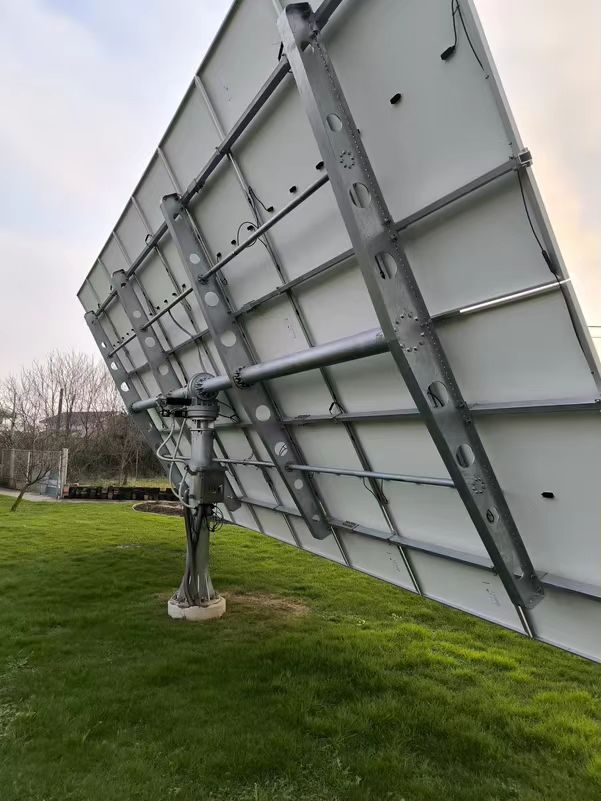
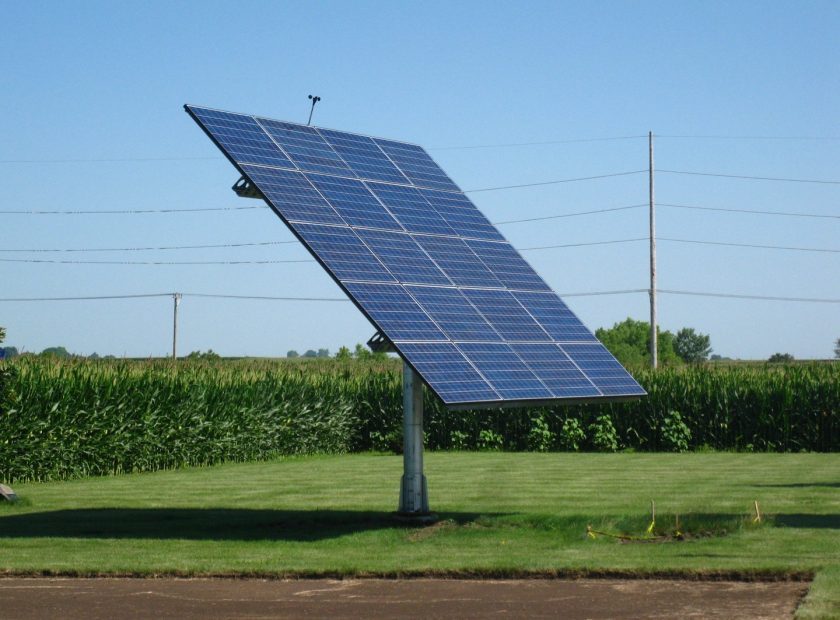
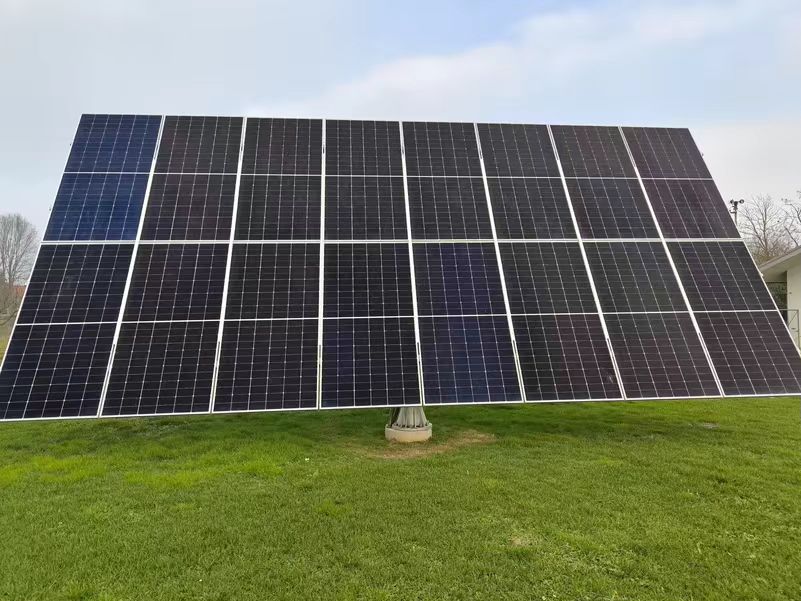
Dual-axis solar trackers, by contrast, adjust along both horizontal and vertical axes, tracking the sun’s daily and seasonal paths with precision. This advanced alignment delivers a 30%+ efficiency increase, making them perfect for small to medium commercial projects, residential properties with limited roof space, and applications like off-grid power systems or greenhouses. While dual-axis trackers have a higher upfront cost, their superior energy output can shorten the payback period in regions with variable seasonal sunlight, such as high-latitude areas.
Geographic Location: Tailoring Solar Trackers to Climate and Sunlight
Your project’s location plays a pivotal role in selecting the right solar tracker. For regions with intense sunlight and minimal seasonal variation—such as deserts or tropical areas—single-axis trackers often provide the best balance of cost and performance. Their robust design can withstand high temperatures and strong winds, reducing the risk of mechanical failure.
In regions with significant seasonal changes in sun angle, such as temperate or northern climates, dual-axis solar trackers are more advantageous. They compensate for the sun’s lower winter arc, ensuring consistent energy production year-round. Additionally, coastal areas require solar trackers with corrosion-resistant materials (e.g., aluminum or coated steel) to withstand saltwater exposure, while mountainous regions may need wind-resistant models with reinforced frames.
Budget and Lifecycle Costs: Beyond Upfront Investment
When evaluatingsolar tracker solutions, it’s critical to consider lifecycle costs rather than just upfront pricing. Single-axis trackers typically cost 30%-40% less to install than dual-axis models, but their lower efficiency may limit long-term returns for projects with high energy demands. Dual-axis systems have higher initial costs but offset this with greater energy production, making them more cost-effective over 10-15 years for energy-intensive applications.
Maintenance costs are another key factor. Single-axis solar trackers have fewer moving parts, requiring only annual inspections and lubrication, with average yearly maintenance costs of $0.01-$0.02 per watt. Dual-axis trackers need more frequent checks of their dual-motor systems, leading to slightly higher maintenance expenses ($0.02-$0.03 per watt annually). However, modern smart solar trackers with predictive maintenance technology can reduce these costs by alerting operators to potential issues before they escalate.
Integration with Solar Panels and Energy Systems
A high-quality solar tracker should seamlessly integrate with your existing or planned solar panels and energy storage systems. Bifacial solar panels, which capture sunlight from both sides, pair exceptionally well with solar trackers—the tracker’s dynamic movement maximizes light exposure on both panel surfaces, boosting total energy output by an additional 10%-15%.
For projects with energy storage, opt for a solar tracker that integrates seamlessly with smart energy management systems. This kind of solar tracking system can sync with batteries to prioritize energy storage during peak sunlight hours, optimizing self-consumption and reducing reliance on the grid. Additionally, ensure the tracker’s control system supports remote monitoring, allowing you to track performance, adjust settings, and troubleshoot issues from anywhere.
Final Considerations: Quality and Manufacturer Reliability
Selecting a quality solar tracker from a reputable manufacturer is essential for long-term performance and durability. Look for products with industry certifications (e.g., IEC, UL) and a proven track record in your region. Manufacturers with local support teams can provide faster maintenance and technical assistance for your solar tracking system, minimizing downtime.
Ultimately, the right solar tracker will balance efficiency, cost, and suitability for your project’s unique needs. By evaluating these key factors, you can invest in a solar tracking solution that maximizes energy production, reduces operational costs, and supports your sustainability goals for years to come.