


2026年3月9日
Solar Energy and Energy Storage: The Critical Role of Storage in Reliable Solar Power
Solar energy has emerged as one of the most accessible and cost-effective renewable energy sources worldwide, driving the global transition away from fossil fuels and cutting carbon emissions. However, solar power’s biggest limitation—its intermittency—has long hindered its full potential: solar panels only generate electricity when sunlight is available, leaving gaps in power supply during cloudy days, nighttime, and peak demand hours. This is where energy storage becomes indispensable. Integrating energy storage with solar power systems transforms solar from a variable, weather-dependent resource into a reliable, flexible power source, unlocking its true value for residential, commercial, and utility-scale applications. For anyone investing in solar infrastructure, understanding the importance of energy storage is key to maximizing efficiency, resilience, and long-term returns.
Solving Solar’s Intermittency: The Core Purpose of Energy Storage
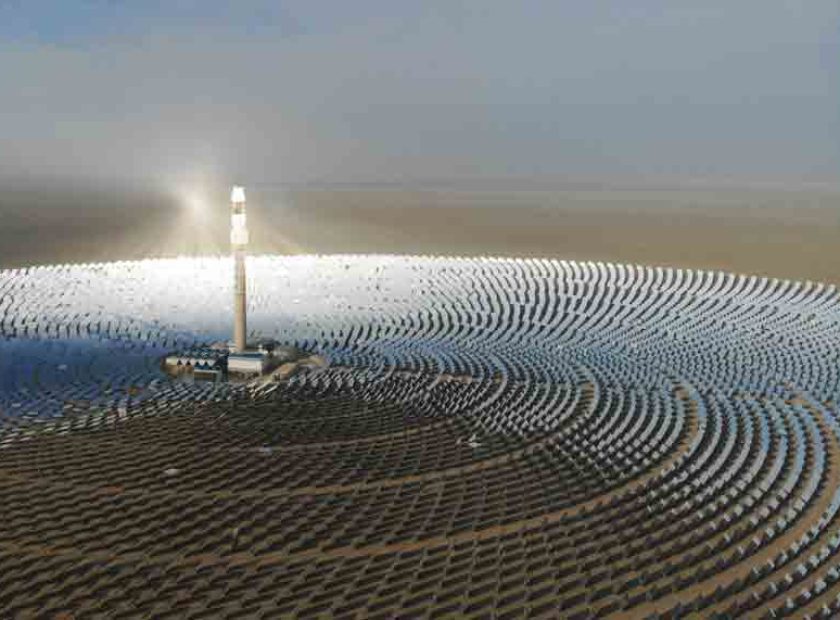
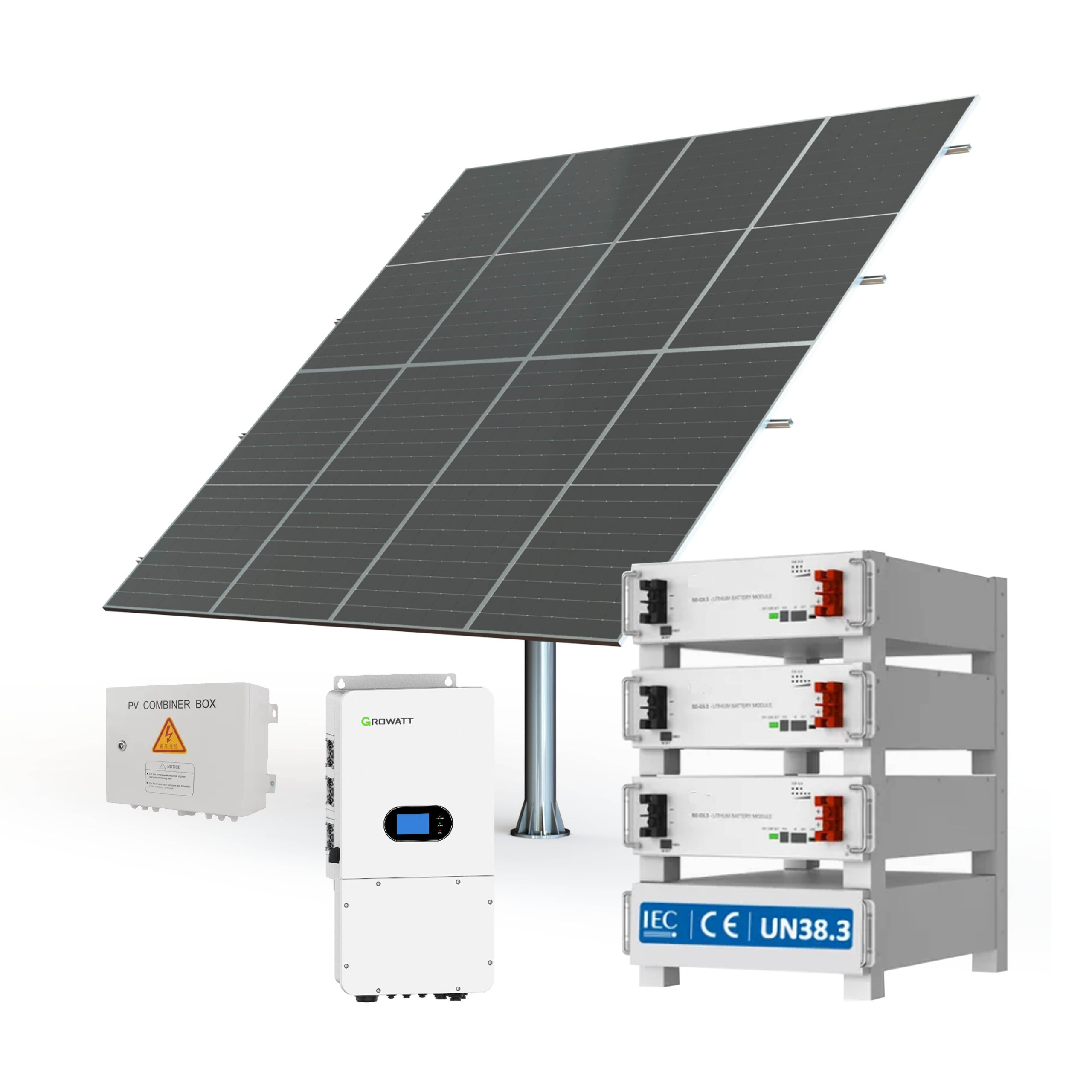
The fundamental challenge of standalone solar power is its inconsistency. Although solar tracker is used more and more widely, solar generation peaks was during midday when sunlight is strongest, but energy demand often surges in the morning and evening—creating a mismatch between supply and consumption. Without energy storage, excess solar power generated during the day goes to waste, while households and businesses rely on grid power or fossil fuels after sunset. Solar-plus-storage systems solve this problem by capturing surplus solar electricity, storing it in batteries (most commonly lithium-ion, alongside emerging flow batteries and solid-state options), and discharging it when needed.
This seamless energy shift eliminates downtime for solar setups, ensuring a steady power supply 24/7. For off-grid solar installations in remote areas, energy storage is not just beneficial—it is essential, providing consistent power without access to traditional utility lines. Even for grid-tied solar systems, storage reduces reliance on the grid during outages or high-demand periods, turning solar users from passive consumers into active, self-sufficient energy producers.
Boosting Grid Stability and Reducing Strain
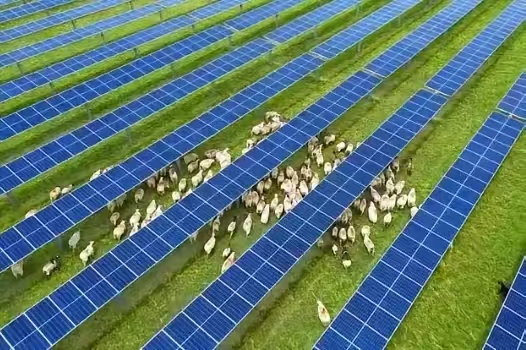
On a larger scale, energy storage is a game-changer for power grids integrating high volumes of solar energy. Utility-scale solar farms feed massive amounts of electricity into the grid during peak sunlight, which can overload grid infrastructure and cause voltage fluctuations. Energy storage systems act as a buffer, absorbing excess solar power and releasing it gradually to match grid demand, stabilizing voltage and frequency. This reduces the need for costly grid upgrades and prevents blackouts caused by sudden drops in solar generation, such as during sudden cloud cover or storms.
Additionally, stored solar energy reduces reliance on peaker plants—polluting, fossil fuel-powered facilities that activate only during peak demand. By dispatching stored solar power during these high-stress hours, grids cut carbon emissions, lower operational costs, and enhance overall reliability. Governments and energy regulators worldwide are increasingly mandating or incentivizing solar-plus-storage integration to build smarter, more resilient grids capable of handling growing renewable energy capacity.
Enhancing Economic Value and Long-Term Savings
Beyond reliability, energy storage significantly boosts the economic viability of solar power. For residential users, solar-plus-storage systems eliminate or drastically reduce electricity bills by minimizing grid purchases, especially in regions with high utility rates or time-of-use pricing (where electricity costs more during peak hours). Excess stored solar power can also be sold back to the grid during peak demand, creating an additional revenue stream for solar owners.
For commercial and industrial users, energy storage protects against costly power interruptions, ensuring business operations continue uninterrupted during grid outages. It also helps avoid demand charges—fees imposed by utilities for high peak energy use—by drawing on stored solar power instead of grid power during busy periods. As energy storage technology advances and battery costs continue to plummet (down more than 80% since 2010), the return on investment for solar-plus-storage systems has shortened dramatically, making it a financially smart choice for nearly all solar projects.
The Future of Solar: Storage as a Non-Negotiable Component
As solar energy adoption accelerates globally, energy storage is no longer an optional add-on—it is a foundational component of modern solar infrastructure. Innovations in battery technology, such as longer-lasting solid-state batteries and more sustainable flow batteries, are further improving storage capacity, lifespan, and affordability. Paired with smart grid technology and AI-powered energy management systems, solar-plus-storage setups can optimize energy usage in real time, adapting to user habits and grid conditions automatically.
In conclusion, energy storage is the missing link that unlocks solar power’s full potential. It solves solar’s intermittency issue, strengthens grid stability, cuts costs, and reduces carbon footprints, making solar energy a truly viable replacement for fossil fuels. Whether for a small residential rooftop system or a massive utility-scale solar farm, integrating energy storage is essential to building a sustainable, reliable, and carbon-free energy future. For anyone looking to invest in solar, prioritizing energy storage ensures maximum impact, efficiency, and long-term success.