


2026年3月16日
Can Solar Energy Replace Oil as the Top Energy Choice in Today’s Chaotic World?
In an era defined by geopolitical tensions, volatile oil prices, supply chain disruptions, and escalating climate crises, the global energy landscape is mired in unprecedented chaos. For decades, oil has reigned as the world’s primary energy source, powering transportation, industry, and daily life across continents. But as its flaws—finite reserves, environmental harm, and geopolitical vulnerability—become increasingly untenable, the world is turning to renewable energy alternatives, with solar power emerging as a frontrunner. A pivotal technology driving solar’s viability as a oil replacement is the solar tracker, a game-changing innovation that addresses longstanding limitations of static solar panels and positions solar energy to challenge oil’s dominance. This article explores whether solar energy, bolstered by solar tracker technology, can truly replace oil as the globe’s top energy choice amid today’s turmoil.
The Fatal Flaws of Oil in a Chaotic Global Order
Oil’s status as the world’s leading energy source is built on a fragile foundation, one that crumbles under the weight of modern global chaos. First, oil is a finite, non-renewable resource; extraction costs rise as reserves dwindle, and supply is easily disrupted by political conflicts, trade wars, and regional instability—events that have become commonplace in recent years, sending oil prices soaring and crippling economies reliant on imports. Second, oil combustion is a major driver of greenhouse gas emissions, air pollution, and climate change, exacerbating extreme weather events that further destabilize societies and energy systems. Third, global oil distribution is controlled by a handful of nations and corporations, creating energy inequity and leaving most countries vulnerable to external price shocks and supply cuts. These flaws make oil a risky, unsustainable anchor for the global energy grid, leaving a critical gap for a reliable, accessible alternative.
Solar Tracker: The Cornerstone of Solar Energy’s Competitive Edge
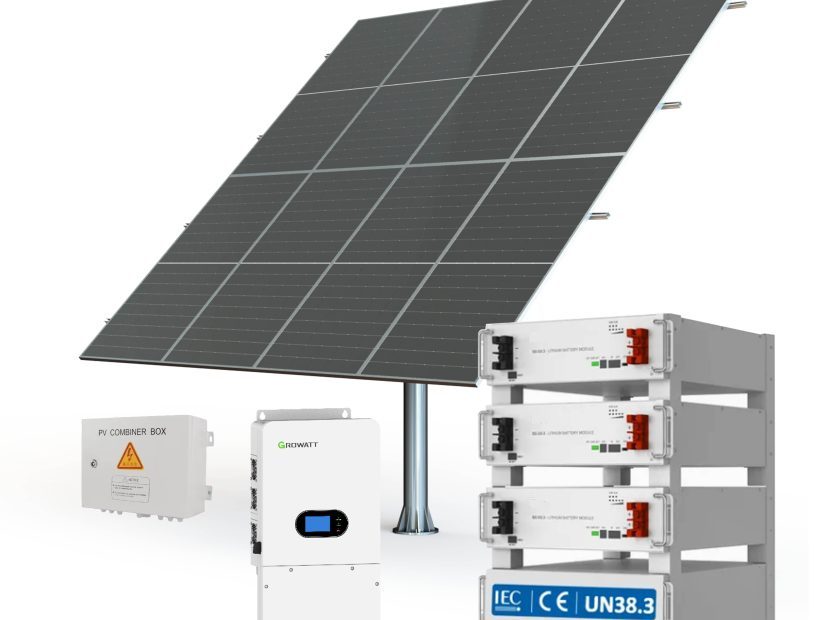
Solar energy has long been hailed as a clean, renewable solution, but early static solar panels struggled with low efficiency, limited energy capture, and inconsistent output—barriers that kept it from competing with oil’s reliability. The solar tracker has eliminated these hurdles, transforming solar power from a supplementary energy source into a formidable contender for the top spot. Unlike fixed solar panels that remain stationary and miss vast amounts of sunlight during mornings, evenings, and seasonal shifts, solar trackers are mechanical or automated systems that adjust photovoltaic panels to follow the sun’s path across the sky, maintaining a perpendicular angle to sunlight at all times.
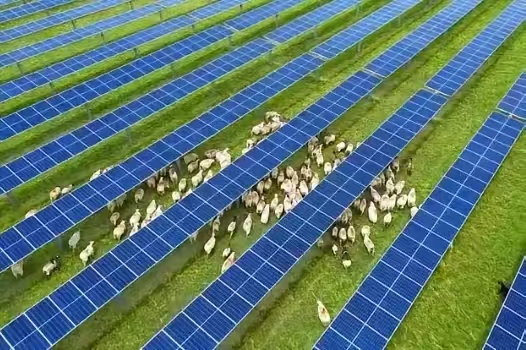
This dynamic adjustment delivers transformative benefits: industry data shows single-axis solar trackers boost energy output by 10% to 25% compared to static panels, while dual-axis trackers increase generation by up to 45%, maximizing energy capture even when the sun is low on the horizon. For utility-scale solar farms— the backbone of large-scale solar adoption—solar trackers optimize land use, reduce operational costs per kilowatt-hour, and improve return on investment, making solar projects financially competitive with oil-fired power plants. Beyond efficiency gains, solar trackers enhance solar energy’s reliability, a key pain point for critics; by capturing sunlight consistently throughout the day, they smooth out energy output gaps and reduce reliance on battery storage, making solar power a steady, predictable energy source akin to oil. In short, the solar tracker turns solar energy’s greatest weakness—intermittency—into a strength, laying the groundwork for it to replace oil as the primary energy choice.
Feasibility and Hurdles: Can Solar Truly Overtake Oil?
Backed by solar tracker technology, solar energy is rapidly closing the gap with oil, but full replacement requires overcoming remaining challenges. On the feasibility side, solar power is infinitely renewable, accessible to nearly every country (eliminating geopolitical energy dependency), and produces zero emissions during operation—aligning with global climate goals and stabilizing energy markets amid chaos. Costs for solar infrastructure, including solar trackers, have plummeted in recent years, making solar one of the cheapest sources of new electricity generation worldwide. Governments and corporations are pouring investments into solar expansion, with large-scale solar farms equipped with solar trackers sprouting across every continent, displacing oil-fired power in many regions.
Still, barriers persist: energy storage technology for cloudy or nighttime hours remains costly and underdeveloped in some areas; existing fossil fuel infrastructure (refineries, pipelines, gas stations) is deeply entrenched, requiring massive overhauls to transition to solar; and some heavy industries and long-haul transportation still rely on oil-derived fuels, lacking scalable solar-powered alternatives. These challenges are not insurmountable, however—advancements in battery storage, smart grid technology, and solar tracker innovation are accelerating progress, while global policy shifts toward renewable energy are phasing out oil subsidies and incentivizing solar adoption.
Conclusion: Solar Energy Is Poised to Lead, With Solar Tracker at Its Core
In today’s chaotic world, oil is no longer a sustainable or secure top energy choice, and solar energy—empowered by the solar tracker—is ready to take its place. The solar tracker has resolved solar energy’s most critical limitations, making it efficient, reliable, and economically competitive with oil, while solar’s renewable, low-carbon, and decentralized nature addresses the chaos and inequity of oil-dominated energy systems. While full replacement will take time and require advancements in supporting technologies, the trajectory is clear: solar energy, anchored by solar tracker innovation, is the future of global energy. As the world seeks stability amid turmoil, shifting to solar power is not just an environmental choice—it is an economic, political, and societal imperative to replace oil with a resilient, sustainable energy leader.