
Why an Energy Storage Battery is Essential for Maximizing Your Solar Tracker System
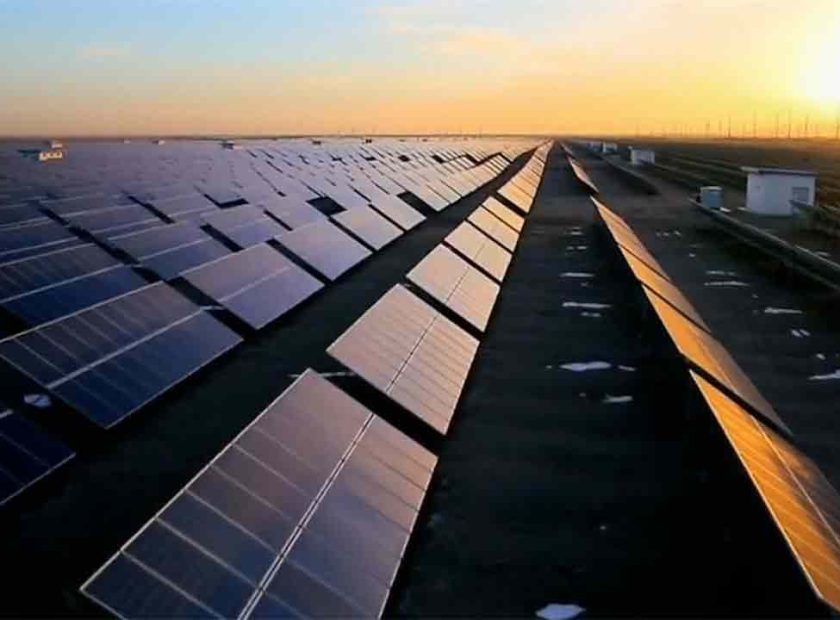
As the global shift toward renewable energy accelerates, solar power has emerged as a leading solution for sustainable electricity generation. However, harnessing the sun’s power comes with inherent challenges. To truly unlock the potential of solar energy, integrating an energy storage battery into your system is no longer just an optional upgrade—it is an absolute necessity. When paired with advanced tracking technology like a solar tracker, battery storage transforms a basic solar setup into a highly efficient, reliable, and economically viable power plant.
The most significant limitation of solar energy is its dependence on weather and daylight. Solar panels only generate electricity when the sun shines, creating a mismatch between peak energy production (midday) and peak energy demand (evening). Without a way to capture and hold this excess daytime energy, valuable electricity goes to waste, or homeowners and businesses must rely on the traditional grid when the sun goes down. This “intermittency” is the primary reason why modern solar installations require robust storage solutions to ensure a continuous, reliable power supply.
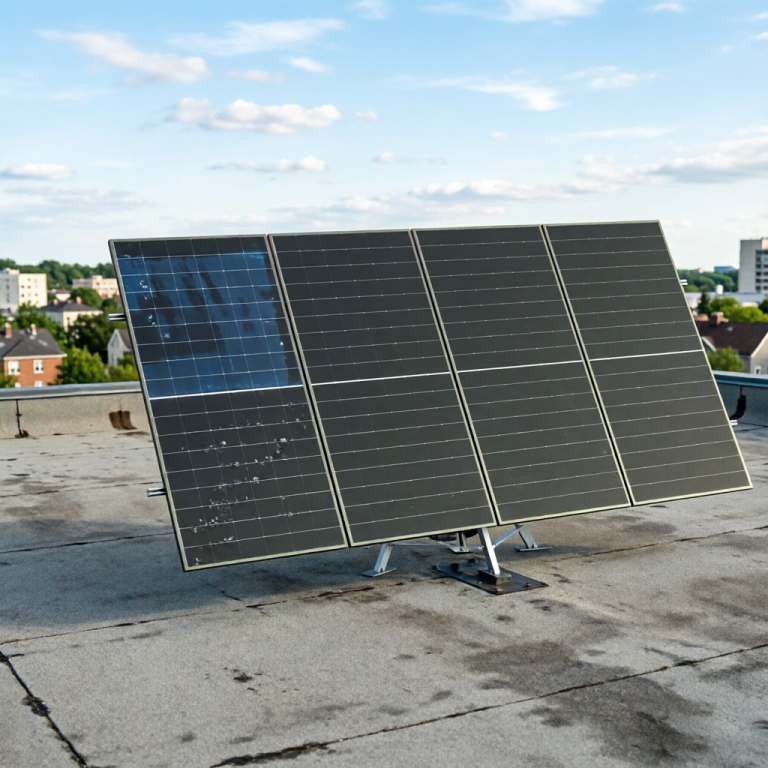
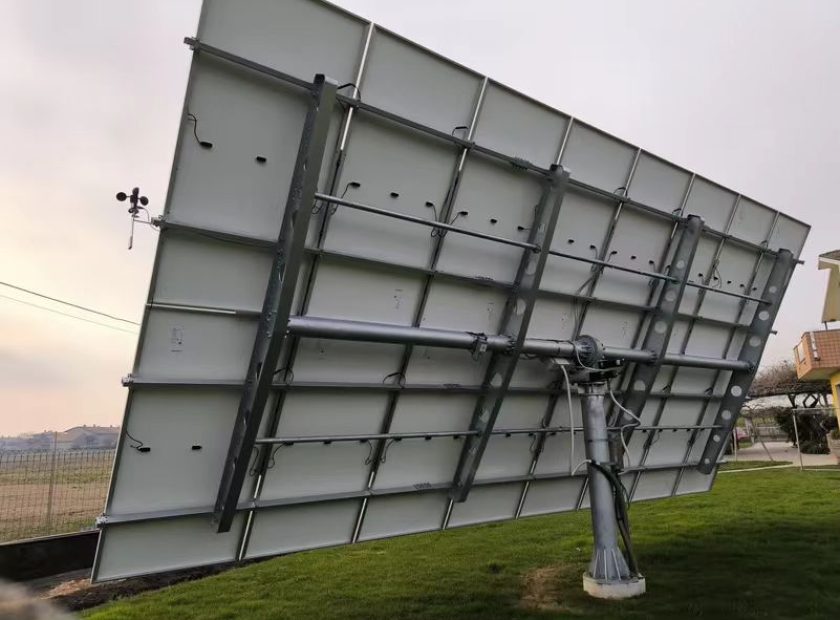
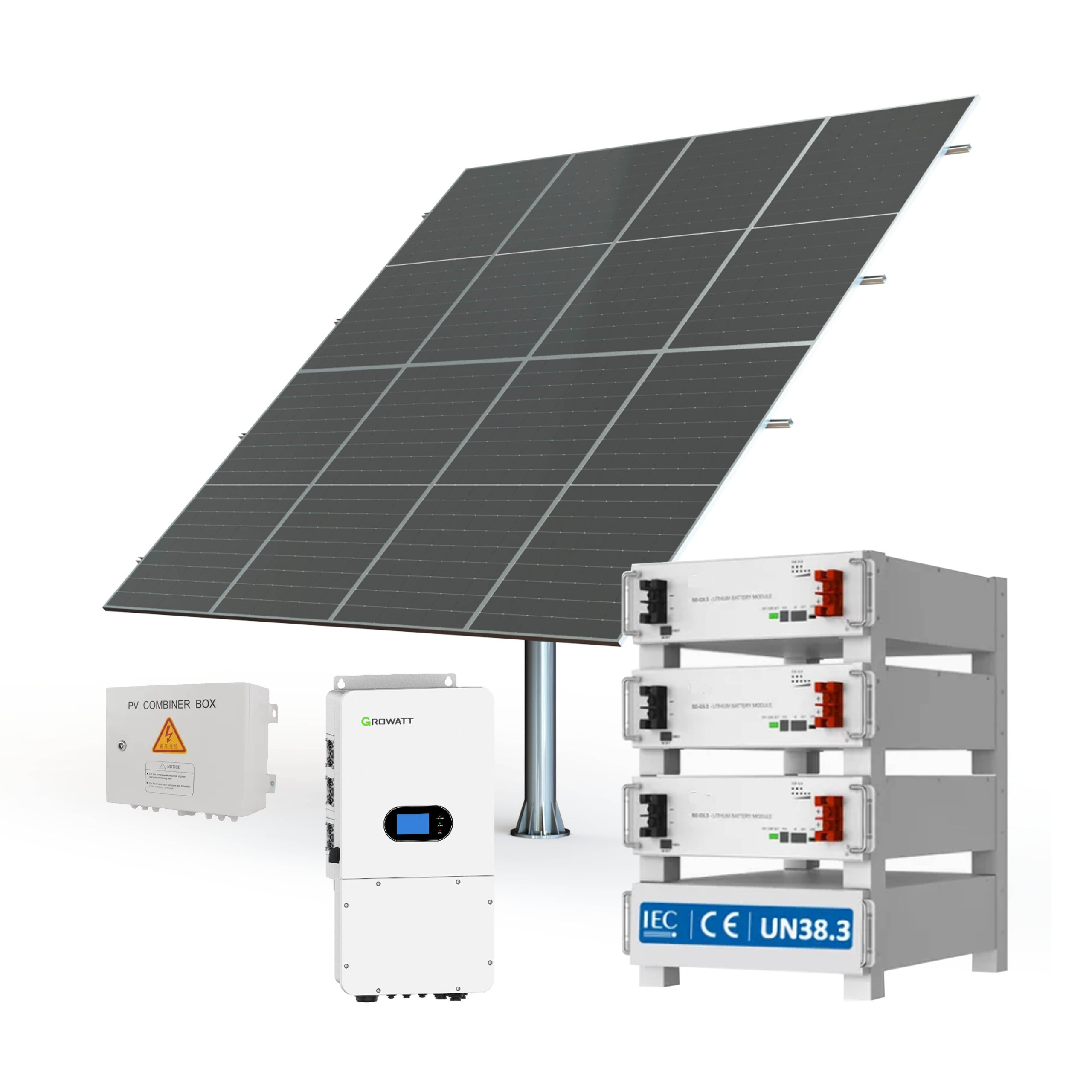
A solar tracker is a mechanical system that adjusts the angle of solar panels throughout the day to follow the sun’s trajectory. By doing so, it can increase energy production by up to 30% compared to fixed-panel systems. However, this increased generation makes the role of an energy storage battery even more critical.
When a solar tracker maximizes your daytime energy harvest, you are likely to produce a significant surplus of power. Without a battery, this excess energy is either exported to the grid at low compensation rates or curtailed entirely. An energy storage battery acts as a reservoir, capturing this abundant midday power generated by the tracker and saving it for use during peak evening hours or cloudy days. This synergy ensures that the high-efficiency output of your solar tracker is fully utilized rather than wasted.
An energy storage battery provides a critical safety net. During grid outages, severe weather, or nighttime hours, your stored solar energy keeps essential appliances running. Combined with a solar tracker that ensures your batteries are charged as efficiently as possible during daylight, you achieve a higher degree of energy self-sufficiency.
Many utility companies charge higher rates for electricity during peak demand hours. By storing solar energy generated by your solar tracker during the day and discharging it during expensive peak hours, you can drastically reduce your electricity bills. This “peak shaving” strategy, combined with the increased generation from tracking, significantly shortens the return on investment (ROI) for your entire solar system.
On a macro level, widespread adoption of energy storage battery systems helps stabilize the electrical grid. Batteries can respond in milliseconds to frequency fluctuations, smoothing out the variable output of solar farms. Furthermore, by storing clean energy instead of relying on fossil-fuel-based peaker plants during the evening, you actively reduce carbon emissions and support a greener planet.
While solar panels are the heart of a renewable energy system, an energy storage battery is its lifeline. When you combine the maximized generation capabilities of a solar tracker with the reliable, on-demand power delivery of battery storage, you create a comprehensive energy solution. This powerful combination not only protects against grid failures and rising energy costs but also ensures that every ray of sunlight captured is put to its highest possible use. For anyone serious about transitioning to sustainable energy, investing in both solar tracking and battery storage is the ultimate strategy for long-term success.