
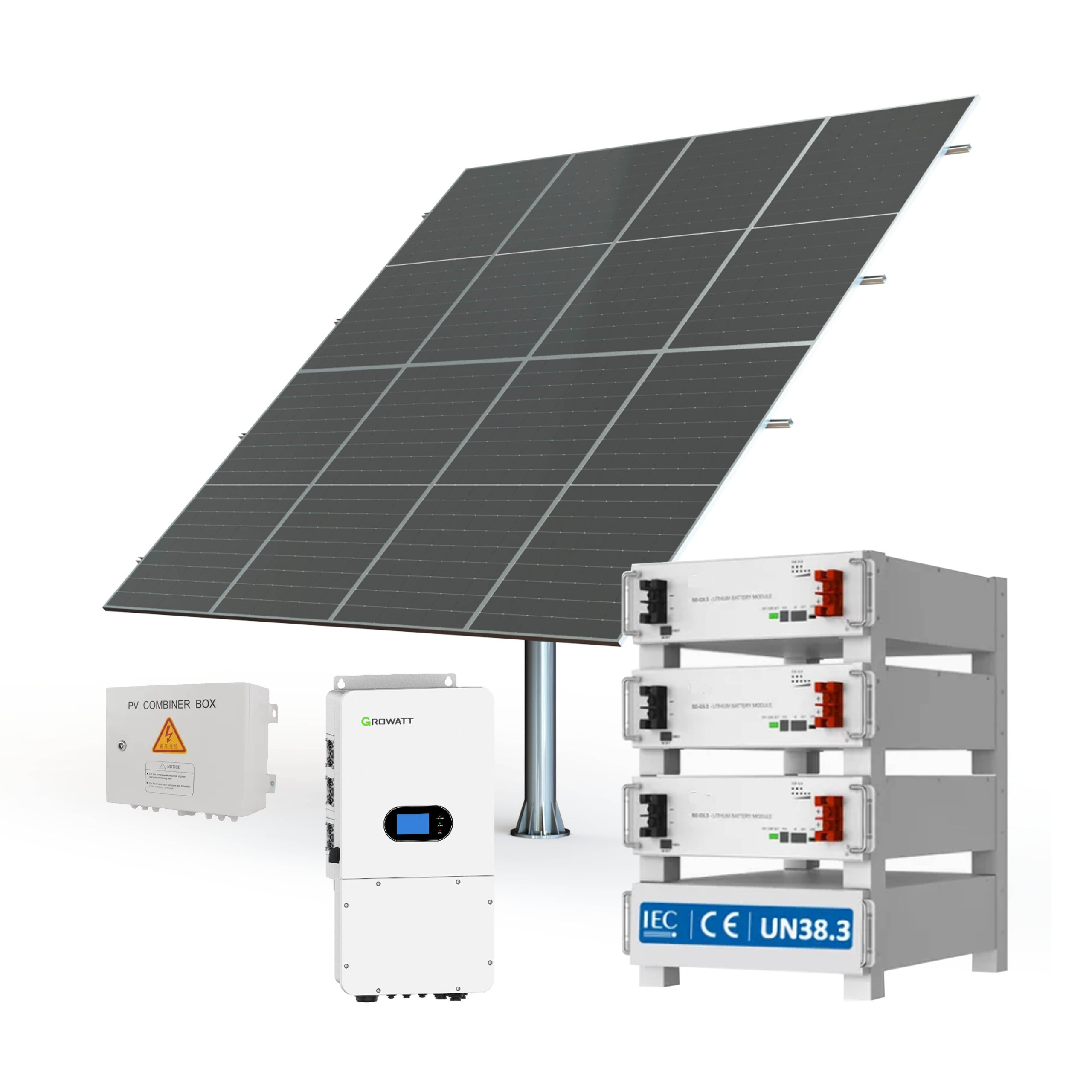
How to Choose the Right Inverter and Energy Storage Battery for a Home Solar System
Transitioning to solar power is one of the most rewarding investments a homeowner can make, but designing a residential solar system requires careful planning. The true efficiency of your setup doesn’t just depend on the solar panels themselves, it relies heavily on two critical components: the inverter and the energy storage battery. Furthermore, if you are utilizing a solar tracker to maximize your energy harvest, your selection criteria for these components become even more specific. This guide will walk you through the essential factors to consider when designing a high-performance home solar system.
Step 1: Matching Your Inverter to Your Solar Tracker
The inverter is the brain of your solar system, converting the direct current (DC) generated by your panels into the alternating current (AC) used by your home appliances. When designing a system that includes a solar tracker, you must pay special attention to the following inverter specifications:
- MPPT Capabilities and Voltage Windows
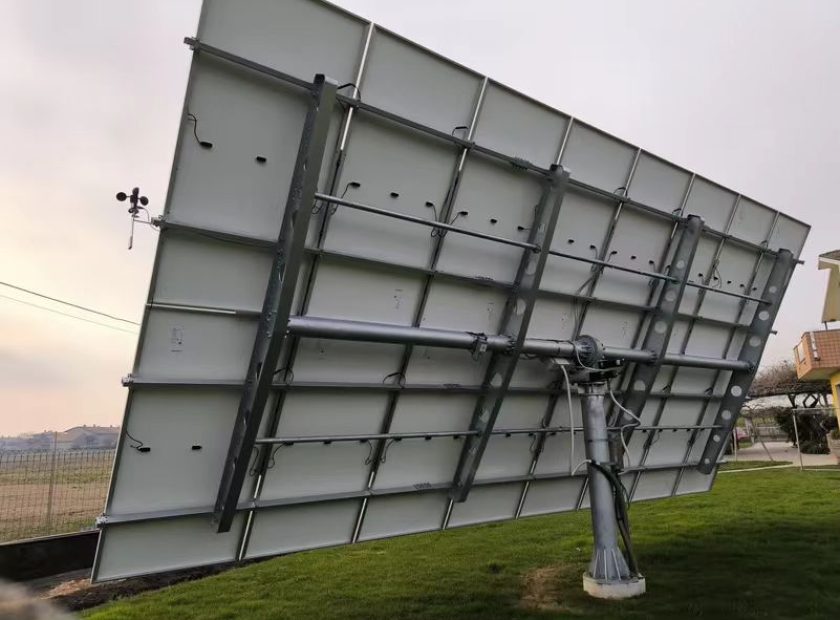
A solar tracker significantly increases your energy yield by keeping panels aligned with the sun. However, this also means your panels will consistently operate near their peak voltage and current. You must choose an inverter with a wide Maximum Power Point Tracking (MPPT) voltage window that can handle the high output of a tracking system without clipping or limiting the power. Multi-string MPPT inverters are highly recommended to ensure the tracker’s dynamic output is optimized efficiently. - Sizing and Overload Capacity
Because a solar tracker can boost energy production by up to 30% compared to fixed panels, your inverter must be sized accordingly. A general rule of thumb is to select an inverter with a rated capacity that accommodates this increased output, or one with a robust overload capacity to handle peak generation hours without shutting down. - System Type: Grid-Tied vs. Hybrid
If your goal is simply to reduce your electricity bill, a standard grid-tied inverter is sufficient. However, if you want to store excess energy for nighttime use or prepare for future battery additions, opt for a hybrid inverter. Hybrid inverters are specifically designed to seamlessly manage both solar input and an energy storage battery, making them the ideal choice for a comprehensive home energy system.
Step 2: Selecting the Perfect Energy Storage Battery
An energy storage battery is the key to achieving true energy independence. It allows you to capture the surplus daytime energy generated by your solar tracker and use it when the sun goes down. Here is how to choose the right one:
- Battery Chemistry: Lithium-ion is King
While older lead-acid batteries are cheaper, they have a short lifespan and poor depth of discharge. For modern home solar systems, Lithium Iron Phosphate (LiFePO4) is the gold standard. It offers superior safety, a longer lifespan (often exceeding 6,000 cycles), and a high depth of discharge (DoD), meaning you can use up to 90% of the battery’s capacity without damaging it. - Capacity and Power Output
To determine the right size for your energy storage battery, review your past utility bills to understand your nighttime consumption. If you have high-power appliances like air conditioners or electric vehicle chargers, ensure the battery’s continuous power output (measured in kW) can handle the simultaneous load. - Scalability and Modularity
Energy needs change over time. Look for modular battery systems that allow you to stack or add more units as your family grows or if you decide to expand your solar tracker array. This future-proofs your investment and prevents you from over-spending initially.
Step 3: Ensuring Seamless System Integration
The most critical step in designing your home solar system is ensuring all components communicate flawlessly. Your energy storage battery must be fully compatible with your chosen inverter. Many top-tier manufacturers now offer integrated ecosystems where the inverter and battery share the same communication protocols, ensuring rapid response times during grid outages and highly efficient energy management.
Conclusion
Designing a home solar system is about creating a balanced, efficient ecosystem. By pairing a high-capacity inverter capable of handling a solar tracker with a reliable, high-capacity energy storage battery, you are not just generating power—you are mastering it. This combination ensures you capture the maximum amount of sunlight, store it safely, and utilize it efficiently, ultimately providing long-term financial savings and unparalleled energy security for your home.