


Maximizing Solar Energy Harvest: The Strategic Value of a Modern Solar Tracker
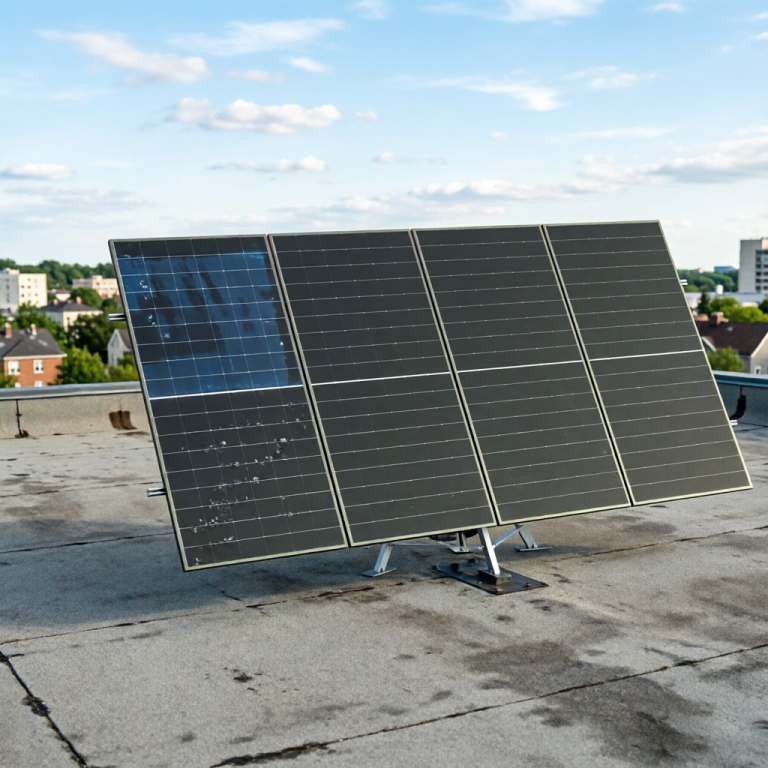
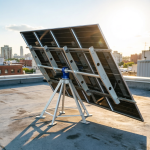
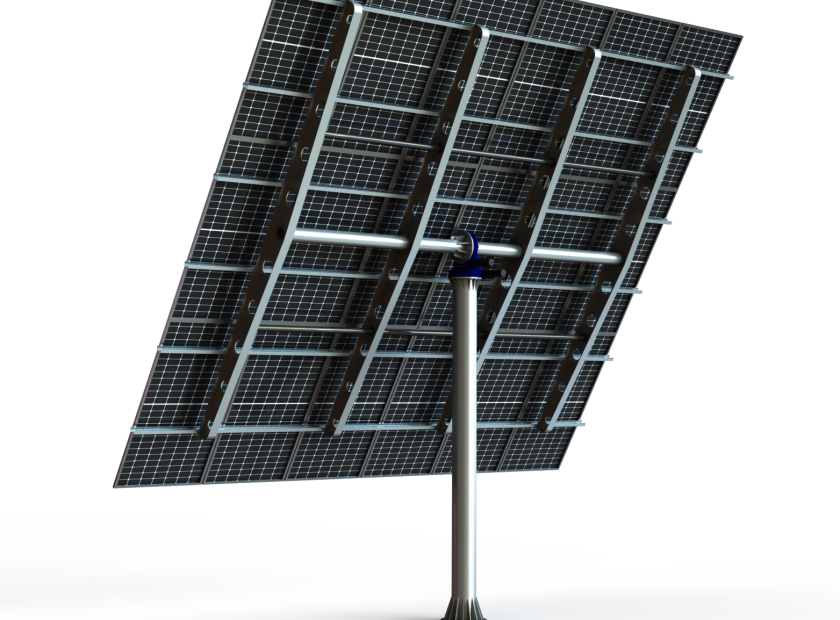
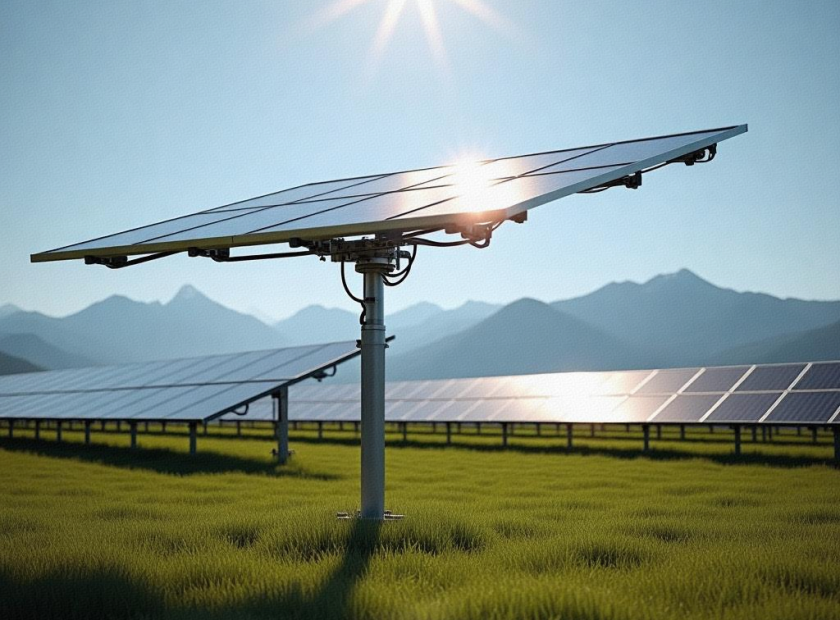
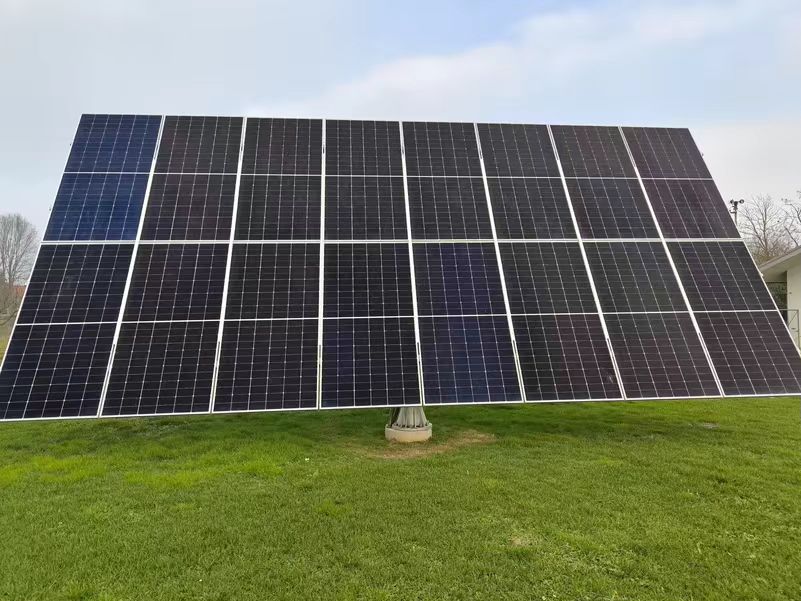
When traditional fixed-tilt solar panels have served as the industry standard for decades, an increasing number of energy enthusiasts are turning to advanced tracking technology to optimize their power generation. A solar tracker represents a significant technological leap in this sector, designed to dynamically adjust the orientation of solar panels throughout the day to follow the sun’s trajectory across the sky. By maintaining a perpendicular angle to the sun’s rays, these intelligent systems can dramatically increase energy yield compared to static installations, making them an indispensable tool for anyone looking to maximize their return on investment in clean energy infrastructure.
The fundamental advantage of integrating a solar tracker into your energy system lies in its ability to capture sunlight during peak production hours that fixed panels often miss. Traditional setups typically face a single direction, meaning they only operate at maximum capacity when the sun is directly aligned with their specific azimuth. In contrast, tracking systems continuously pivot along one or two axes, extending the window of optimal energy production from early morning until late afternoon. This continuous adjustment not only boosts overall daily output but also helps flatten the midday peak curve, providing a more consistent and reliable flow of electricity. For commercial enterprises operating during daylight hours, this enhanced performance profile translates directly into substantial financial savings and a faster payback period for the initial capital expenditure.
When evaluating whether to adopt this technology, it is crucial to understand that different environments demand different operational approaches. Not every installation site is perfectly suited for automated tracking, and making an informed decision requires assessing specific environmental and logistical factors. For instance, assets located in open outdoor spaces where maintenance access is limited often benefit immensely from self-sustaining tracking units equipped with integrated charging capabilities. These systems reduce the need for frequent manual interventions and battery replacements, offering superior long-term cost efficiency. Conversely, if an installation involves complex shading, irregular deployment schedules, or indoor environments, alternative solutions might be more appropriate. Ultimately, selecting the right configuration depends heavily on matching the equipment’s operational characteristics with the unique demands of your specific geographic location and energy consumption patterns.